Everyone’s debating AI’s impact on jobs, politics, and innovation—but few are asking what it means for education and the moral development of the next generation.
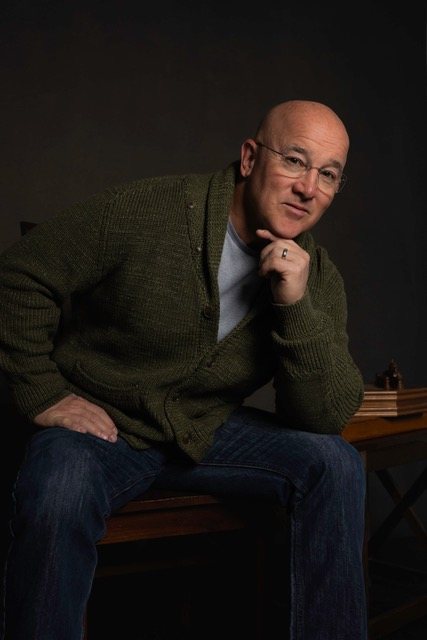
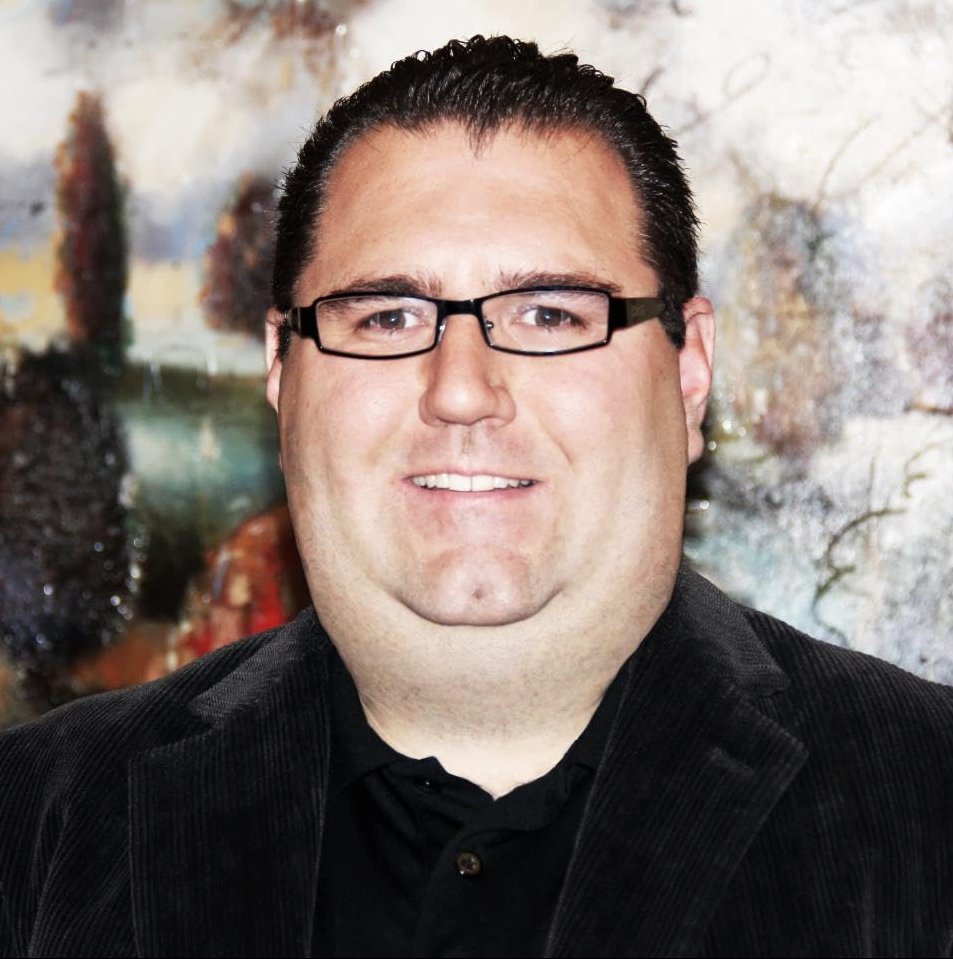
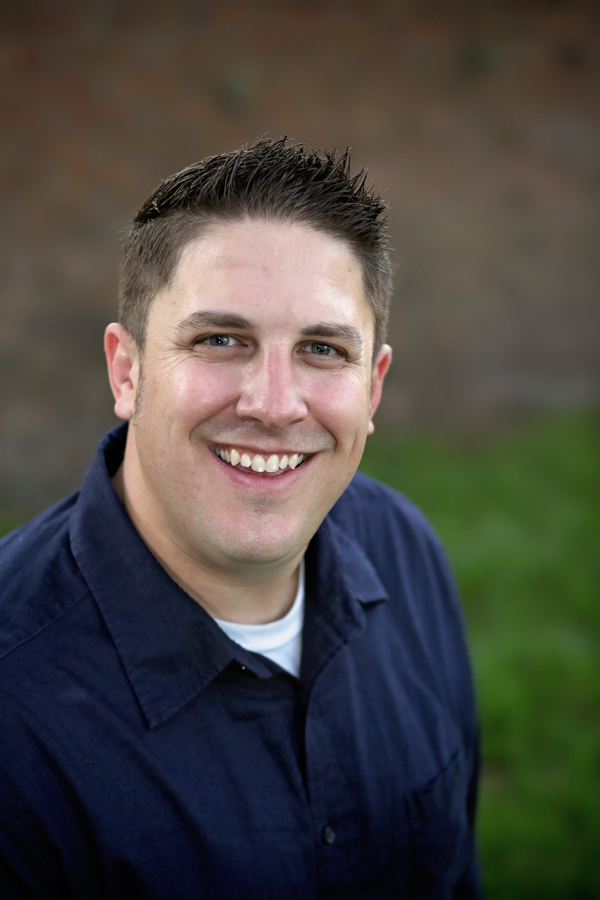
Alan Hahn, Ed.D., Founder & CEO of Iron Academy in Raleigh, NC, has been preparing for this moment long before ChatGPT and classroom bots became headlines. His all-boys academy is built around a model that prioritizes deep thinking, leadership, and character formation—the very qualities most at risk in an AI-saturated era.
Now, as AI reshapes everything from grading and college admissions to truth itself, Alan is in ongoing dialogue with national AI experts—including one advising the White House—about what comes next for schools, parents, and communities.
For your audience, Alan can unpack:
Alan offers a grounded, forward-looking perspective: the communities that will thrive in an AI-driven America aren’t the most technologically advanced—but the ones most committed to moral and intellectual formation.
Suggested interview questions:
You’ve said AI is not just a technological shift but a civilizational one. What do you mean by that, and how is it already reshaping how young people learn and form identity?
You talk about the “democratization and commoditization” of AI and the disruption it will bring to both K–12 and higher education. Which institutions are most at risk, and why?
Many schools only think about AI in terms of cheating. What are they missing about how AI will affect attention, discernment, and formation in students?
You make a distinction between “truth” (lowercase) and capital-T “Truth.” How will AI make lowercase truth more unstable, and why do you believe capital-T Truth will become more valuable and scarce?
From your vantage point at Iron Academy, what human capacities can never be automated, and how do you intentionally form those in your students?
In practical terms, how are young people not being prepared for an AI-dominant workforce—and what should parents and educators be doing differently over the next 5–10 years?
For Christian audiences: Why do you believe Christians, if they are clear-headed and intentional, are uniquely positioned to steward formation, discernment, and leadership in this AI moment? Do Christians, in your view, have a kind of “monopoly on Truth”?
For listeners who feel anxious or see AI through an end-times lens, how would you reframe this moment? What does “faithful preparation” actually look like for families right now, and where can they start this week?