Why Americans Are Moving Their Most Important Conversations to Encrypted Platforms
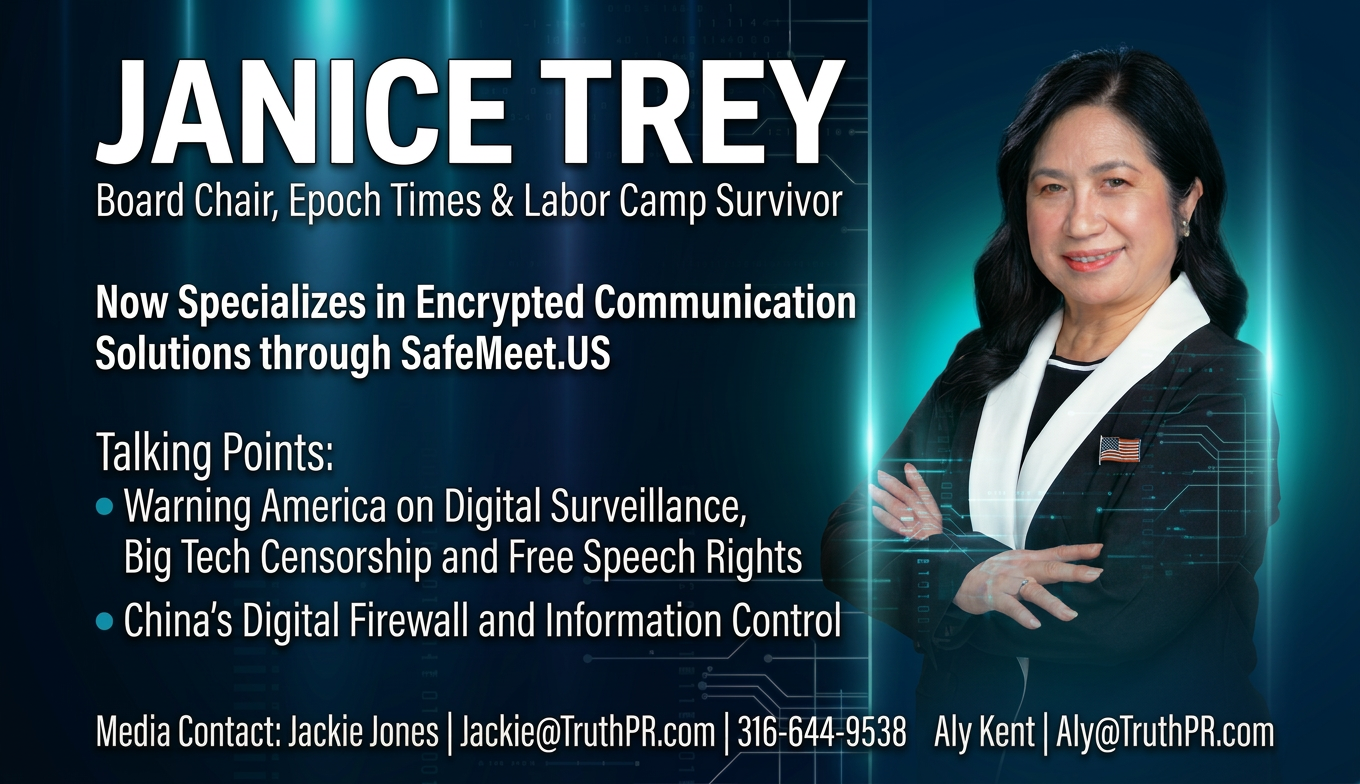
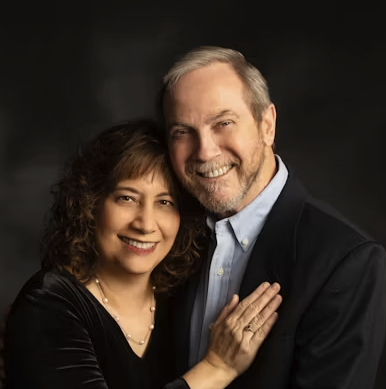
Guest Avail: Janice Trey
Title: Spokesperson, SafeMeet | Board Chair, The Epoch Times & NTD TV
Location: New York City
If we cannot trust Big Tech as a neutral gatekeeper, how do we protect the privacy of our most sensitive conversations?
Dear Jackie,
With the new federal settlement over government pressure on social‑media platforms, your audience is hearing a lot about free speech, “jawboning,” and censorship—but much less about what this means for their own private conversations going forward.
I’d like to offer Janice Trey, who works in the secure‑communications space, for a segment that focuses on viewer protection. She can help your audience understand, in plain language:
What actually just happened
- In March 2026, the Justice Department settled lawsuits (stemming from the Missouri v. Biden case) that accused federal agencies of coercing social media platforms to suppress Americans’ speech on topics like COVID-19, vaccines, and elections.
- The settlement is embodied in a consent decree approved by a federal judge in Louisiana, making it a binding, long‑term court order rather than just a policy memo.
Bottom line in plain terms
- Courts had already flagged serious First Amendment concerns with federal “jawboning” of tech platforms, even before this settlement.
- The new consent decree and DOJ’s own language amount to an official, legal‑record acknowledgment that the prior administration’s coordination and pressure on social platforms to silence disfavored viewpoints went beyond what the Constitution allows—and that the government is now bound, by court order, not to repeat it.
- What the recent settlement really reveals about behind‑the‑scenes influence over major platforms, and why it has further eroded public trust in Big Tech.
Janice can reference encrypted messaging and meeting tools (including services like SafeMeet.us) purely as examples within a broader menu of options, keeping the emphasis on informed choice, civil liberties, and personal risk reduction rather than any single solution.
Proposed segment angle:
“After the Censorship Settlement: Why Americans Are Moving Their Most Important Conversations to Encrypted Platforms like SafeMeet.us”
Key points Janice can cover:
- The trust crash after government–Big Tech “collusion”: The settlement confirms what many suspected—back‑channel pressure shaped what we could say and see online, especially on sensitive topics like health and elections, shattering confidence in mainstream platforms as neutral forums.
- Why encryption is now a free‑speech tool: When platforms can be quietly leaned on to downrank, demonetize, or remove content, the only way to have truly candid conversations—about policy, health, business, or whistleblowing—is to use end‑to‑end encrypted channels where only participants control access.
- Everyday users who simply want private family, financial, or health conversations without surveillance.
- Policy and civil‑liberties tie‑in: How encrypted platforms like SafeMeet.us can coexist with law‑enforcement needs while preserving the core of the First Amendment—free, unchilled discussion—rather than repeating the censorship‑by‑proxy model at the heart of the settlement.
- Practical takeaways for viewers: A simple on‑air checklist for how to move their most important conversations to secure channels this week (what to use, what to avoid, and how to evaluate whether a platform really is encrypted).