Guest Pitches, Articles, Press Releases & Events
Newsroom: Latest Expert Commentary
Ready-to-book Guests
TruthPR delivers top tier interview guests and expert sources for TV, radio, podcasts, and conferences. This newsroom highlights timely commentary and segment ideas for our experts.
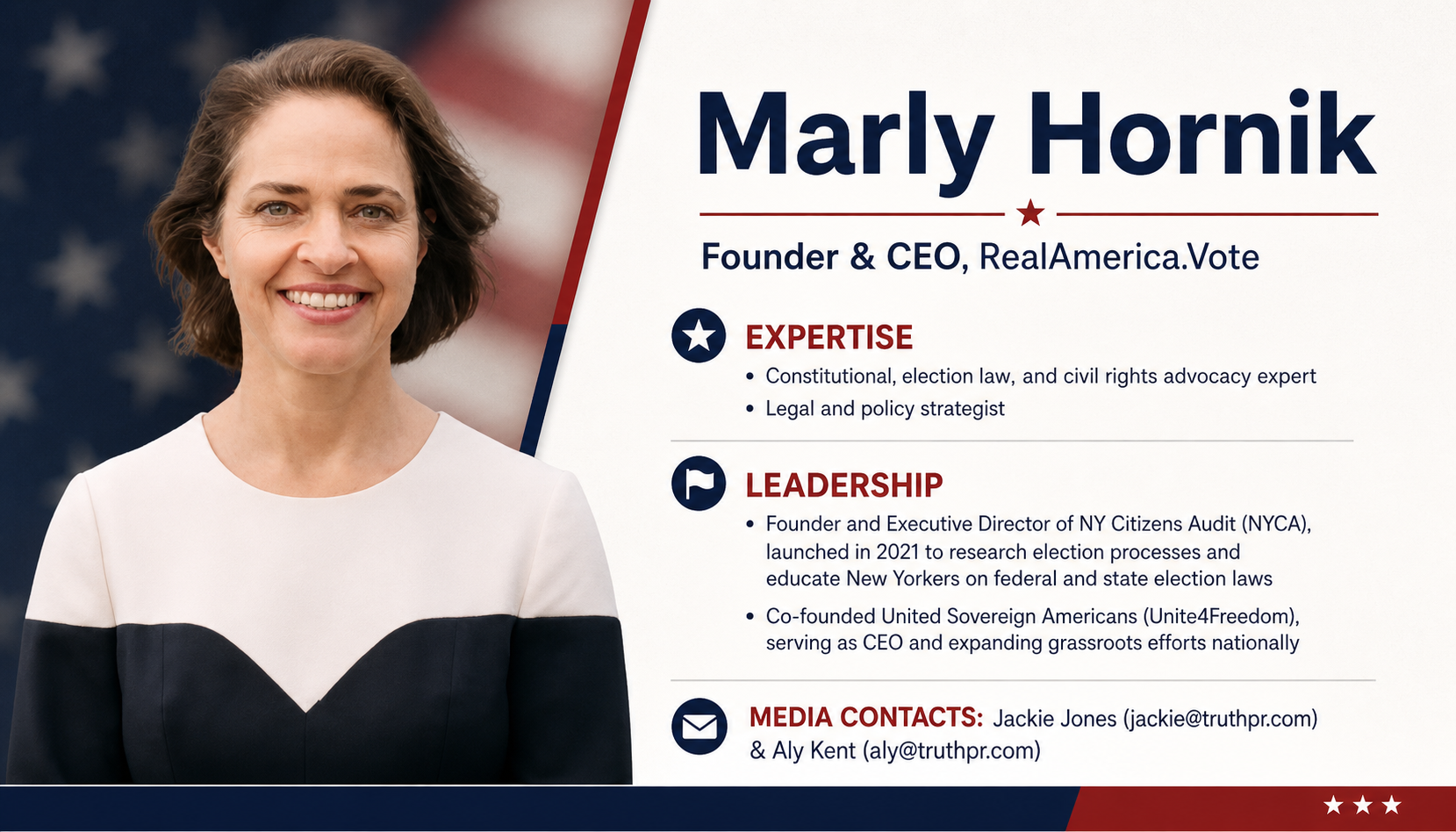
The left is marching on Washington Friday, August 28th, claiming to 'defend the vote'—but what does that actually mean? We have a voting rights expert on who says their real agenda is the opposite of what they're selling.
Featured Article
Reaching out with a timely guest for your audience on one of the biggest stories of this decade: the rapid move toward a fully digital, AI-managed world.
I’m reaching out with a timely segment opportunity tied to this week’s Oslo Freedom Forum, one of the world’s leading human rights gatherings. A Nigerian journalist there has just issued a stark warning that violence against Christian communities is intensifying in Nigeria, with entire villages living under what he calls a “cloud of terror” and very little international scrutiny.
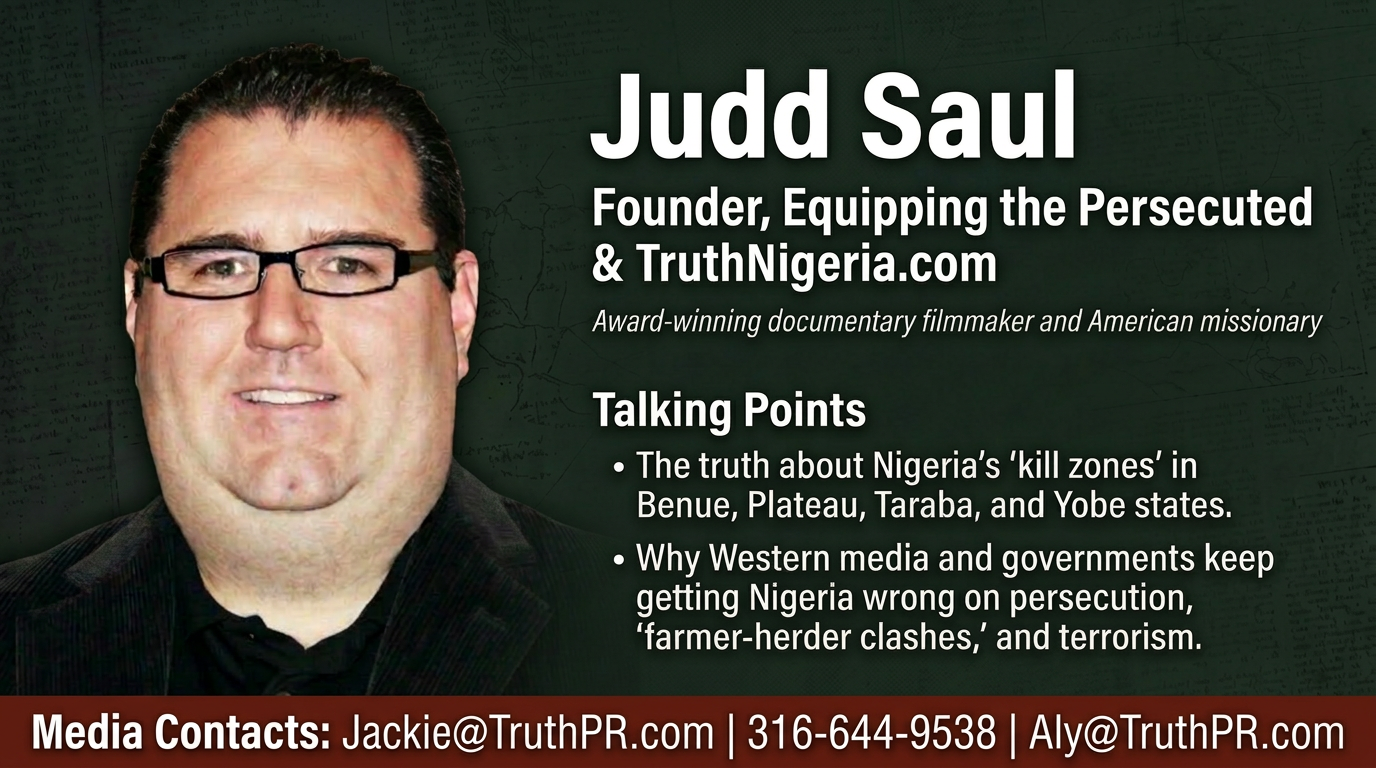
Judd Saul—award-winning documentary filmmaker and founder of Equipping the Persecuted and TruthNigeria.com—has spent more than a decade on the ground in Nigeria’s most dangerous regions. He and his team provide direct aid, security support, and documentation for persecuted Christian communities, giving him an unusually close view of how the violence is escalating and why.
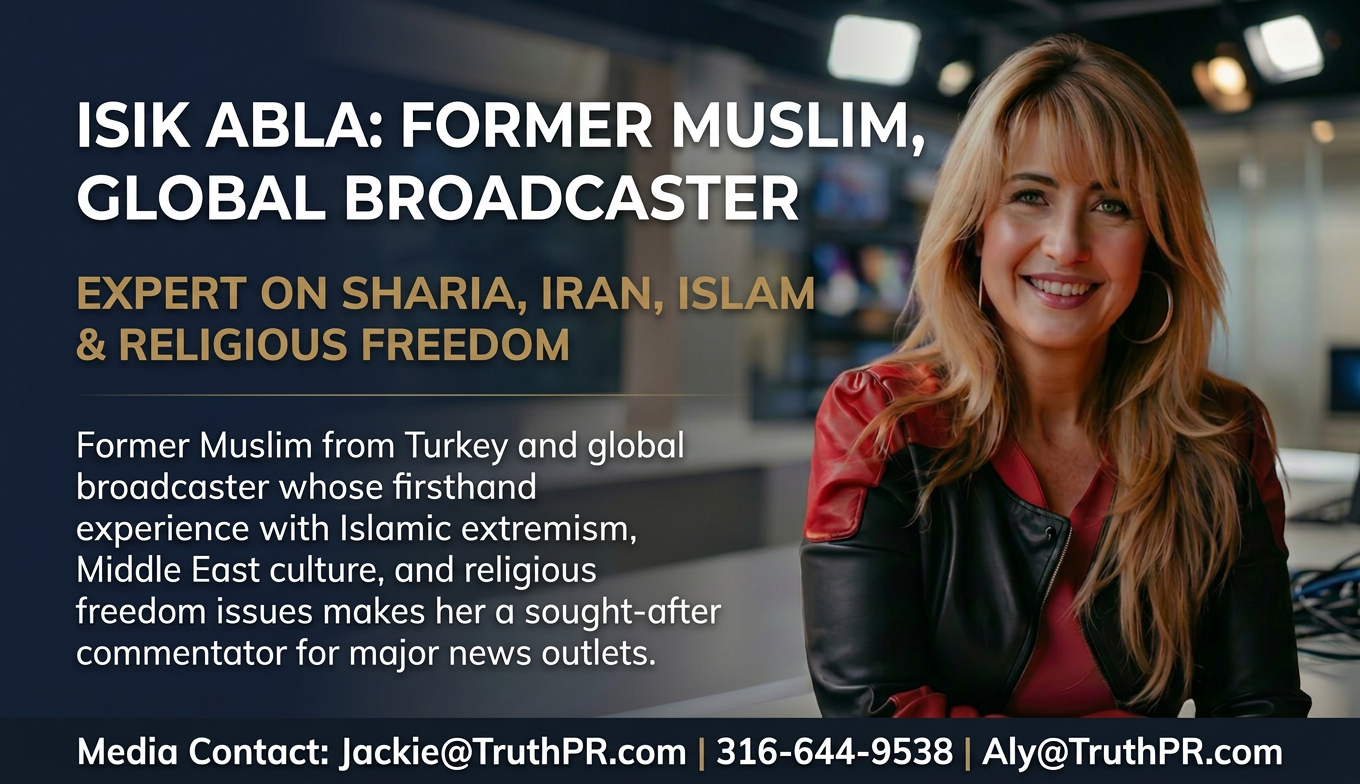
Dr. Isik Abla – Turkish‑born former Muslim, survivor of abuse and a radicalized marriage, now a global media voice on Islam, Sharia, extremism, and women’s rights, and author of Heavenly Whispers.
Across Iran, a quiet revolution is underway—and it is not led by politicians, but by people walking away from state‑controlled Islam and toward Christianity in record numbers. Despite Bibles being restricted, house churches being raided, and converts facing prison, Iran is now widely described as having one of the fastest‑growing Christian populations in the world, with estimates of the underground church reaching well over a million believers. At the same time, even the regime’s own leaked research shows that Iranians have become dramatically less religious under the mullahs, with large majorities wanting faith separated from the state.
With the World Cup coming to North America, I’m flagging a visual story that connects the global language of soccer with the lives of children caught in the crossfire of the Iran–Hezbollah conflict.
As the world turns its attention to stadiums, goals, and national pride, this mural quietly asks a different question: which children get to grow up and play, and which never make it off the field? It’s a powerful way to humanize policy debates over Iran and Hezbollah, and it gives your audience a World Cup‑relevant lens on human rights, terrorism, and the targeting of civilians—without feeling like another panel segment.
I have a visually strong segment that hits your core wheelhouse: Iran, Hezbollah, and civilians targeted by terror—told through the story of twelve Druze kids killed on a soccer field and the mural that refuses to let it be forgotten.
In July 2024, a rocket slammed into a Druze village soccer field in Majdal Shams in the Golan Heights, killing twelve children and teenagers during practice—an attack Israel and rights groups blamed on Hezbollah, Iran’s proxy in Lebanon. The kids were in uniforms, cleats on, playing soccer.
As a former Muslim who lived under the same ideology we are now watching play out in Iran, I can tell you this is more than a geopolitical conflict—it is a spiritual war for the soul of a nation. While the world sees headlines, airstrikes, and troop movements, I see millions of Iranians caught between an oppressive regime and a quiet spiritual revolution that is turning many hearts toward Jesus, even at great cost.
With Memorial Day approaching and your audience already focused on sacrifice, service, and the emotional strain so many Americans are under, I’d like to offer Dr. K. Alan Stokes as a timely guest for your upcoming coverage.
As America marks 250 years since the signing of the Declaration of Independence, everyone is talking about politics and polarization—but far fewer are asking what has happened to the music that once helped hold this country together. From “Yankee Doodle” and military band traditions to jazz, Broadway, Hollywood film scores, and today’s concert stages, our musical heritage tells a richer, more unifying story of who we are—and what we risk losing.
Offering Judy Isaacson Elias for a segment on the new, more open face of antisemitism in America—and what it means for Jewish families right now.
Judy is an observant Jew, a mother and grandmother, and a seasoned community leader who is watching antisemitism move from the fringe into everyday life—on campuses, in K–12 schools, in neighborhoods, and across social media. She can speak bluntly to the quiet changes Jewish families are making: taking down mezuzahs and other visible Jewish symbols, telling their kids not to talk about being Jewish or pro‑Israel, and rethinking where they live, study, and worship.